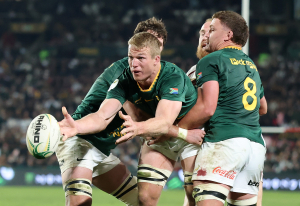
Rugby is one of the most strategic sports to bet on because its scoring, momentum swings and set piece battles shape markets in precise ways. Bookmakers price rugby differently from football or cricket because points come in bursts and territory matters as much as possession. If you understand how rugby markets work, especially tries, handicaps and winning margins, you can find value long before casual punters react.
The most important rugby market to master is the handicap. Because rugby matches often have clear favourites, the simple match result does not offer much value. A strong team like Leinster or the Bulls at home might sit at 1.10 pre match, which is unusable for serious betting. A handicap levels the contest by giving one side a virtual start.
If the Stormers are priced at –8.5, they must win by nine or more. If Edinburgh sit at +8.5, they can lose by eight points and still land your bet. Understanding which teams cover handicaps consistently is key. Some teams win often but by narrow margins. Others dominate at home and blow weaker teams out. Patterns matter more in rugby than in most sports.
Winning margin markets take the handicap concept further. Instead of simply betting a team to win, you bet the margin of victory. This might be “Team A to win by 1 to 12” or “Team B to win by 13+.” These ranges exist for a reason.
Most professional rugby games fall into two categories: tight contests decided by a handful of points or comfortable wins where a dominant pack and strong kicking game take control. Knowing which teams grind out close wins and which pull away late is an edge many punters overlook. For example, some sides rely on defence and set pieces, rarely scoring high-margin wins. Others spread the ball wide and punish tired opponents in the final quarter, making 13+ margin markets attractive.

Betway
- Very strong sign up offer
- Fast app on iOS & Android
- Extensive betting content
Try scoring markets offer another dimension. These include first try scorer, last try scorer, anytime try scorer, total tries, and team tries. To use these markets well, you need to know how each team attacks. Sides with strong mauls often score from close range, making forwards strong anytime try candidates. Sides with quick wingers or creative fullbacks create more space out wide, increasing backline value. In the URC, South African teams often score tries from physical dominance, while European sides use structured phase play to break defences. The first try scorer market is volatile, but anytime try scorer markets can offer value when a team’s attacking routes are predictable.
Team tries and total tries markets rely heavily on conditions and tempo. Dry weather, fast pitches and attacking lineups favour the Over. Wet weather, heavy fields or disrupted squads favour the Under. Rugby totals move dramatically when lineups are announced, especially when a team rotates key playmakers or their goal kicker is rested. Punters who follow team news closely find value before markets move.
Another underrated market is race to points. Here you predict which team reaches 10, 15 or 20 points first. This market rewards insight into how teams start games. Some sides begin fast with scripted plays, while others settle slowly and build pressure. If you know a team traditionally starts with intensity, the race to 10 points can be a sharp angle.
Penalty markets appear less often but offer value when available. Some teams rely heavily on penalty kicks, especially in tight contests. Others kick to the corner looking for tries. If two disciplined sides meet, penalty count Unders may be smart. If two ill disciplined sides clash, Overs becomes attractive. Cards markets work similarly. A team with a poor discipline record is more likely to receive a yellow card, especially under pressure.
Winning margin, handicap and try markets all tie together. A team expecting to dominate possession usually carries higher try totals and bigger margin potential. A team built on defence can win, but often within small margins and low total tries. Understanding how styles match is more valuable in rugby than simply backing favourites.
Venue matters significantly. Altitude in Pretoria favours running rugby and big margins for the Bulls. Cape Town conditions favour tactical kicking and tight games. Northern hemisphere teams on South African tours often struggle in the last quarter due to travel and altitude, making late tries and big margins more likely. Weather also shapes markets. Wind affects kicking percentages and distance. Rain turns matches into forward battles with fewer tries.
In rugby betting, knowing how a team plays is more valuable than knowing league position. Some mid table teams cover handicaps more consistently than top sides because their style produces predictable outcomes. Some elite teams win often but fail to blow opponents away. Track patterns. Teams reveal their market identity every weekend.
Understanding rugby markets is about identifying which teams produce tight wins, which thrive in open games, how conditions influence tempo, and where tries typically come from. When you understand that, the markets become less about guesswork and more about pattern recognition. Rugby rewards punters who study structure, conditions, and style.
Related: Rugby live betting – Reading momentum, cards and tactical swings

ZarBet
- Very strong sign up offer
- Fast app on iOS & Android
- Extensive betting content