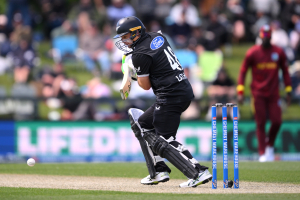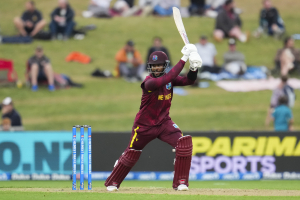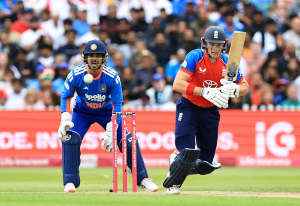
Cricket offers more betting markets than almost any other sport. Every ball creates data and every phase of play shifts probability. To use these markets properly, you need to understand what they mean, how bookmakers price them, and where the real value hides. Cricket isn’t like football where one goal can decide everything. It’s a sport of accumulation, intervals and matchups. That’s what makes its markets so rich for smart punters.
The most basic cricket market is the Match Winner. One team to win, or in Tests, the possibility of a draw. It’s simple, but it’s rarely where the best value sits. Bookmakers price it tightly, and punters overbet favourites. That’s why deeper markets often give a better edge.
Totals are among the most important cricket markets. A bookmaker sets a line for team runs, innings runs or match runs. You decide whether the final score will go Over or Under that number. In T20 cricket, totals can swing wildly based on pitch conditions, boundary sizes, dew and batting depth. In ODIs, wickets in hand at the 40-over mark usually determine whether scores explode or collapse. In Tests, a slow pitch or strong bowling attack can make Unders on team totals a sharp play.
Related: Cricket live betting – reading momentum in real time
Overs markets relate specifically to the number of overs bowled or runs scored in certain overs. Powerplay totals are extremely popular in T20 and ODI cricket. Teams with aggressive openers often fly out of the blocks, while more cautious sides build slowly. Knowing team intent gives you a major advantage in these markets. Death overs totals are another high-value space. Teams with big hitters at the back end can score 40 to 60 runs in the last four overs. If the opposition lacks specialist death bowlers, the Over often holds value even after a slow middle phase.

Betway
- Very strong sign up offer
- Fast app on iOS & Android
- Extensive betting content
Wickets markets focus on dismissals. You can bet on how many wickets fall in an innings, which bowler takes the most, or when wickets are likely to fall. Seamers dominate in early overs under cloud cover. Spinners usually dominate the middle overs in subcontinent conditions. Left-arm orthodox bowlers often trouble right-hand-heavy batting line-ups. These matchup-specific insights are crucial. Bookmakers often rely on general averages, not tactical nuance.
Player performance markets give another edge. Top batter and top bowler markets look simple, but they rely heavily on conditions and roles. A top-order batter has more chances to score than someone at number six. An opening bowler has two spells and the new ball, while a spinner might bowl more overs on turning pitches. Look for players who match the pitch. Good players on the wrong surface are still bad bets.
Partnership markets let you predict how many runs the next two batters will score. This is a great market for punters who understand batting styles. A defensive opener with a confident attacking partner can create steady runs. Two aggressive batters together can either explode or fall quickly, making the Under attractive. Partnership momentum is one of the most readable patterns in cricket.
Session runs markets are common in Tests. You bet on how many runs will be scored in a session of around 30 overs. Early morning sessions often favour bowlers in countries with seam-friendly conditions. Afternoon sessions usually belong to the batters. If rain shortens a session or bowlers tire, totals shift rapidly. Tracking session trends over five days gives you regular opportunities.
Fall of first wicket markets are another popular play. You bet on how many runs the opening pair puts on before losing a wicket. Teams with a cautious opening pair often build slowly and safely. Teams with explosive openers tend to reach 20 quickly but are more vulnerable early. This market is simple yet frequently mispriced.
See also: T20 vs ODI vs test betting – format-specific strategy
Toss markets affect almost everything. You can’t bet on who wins the toss in many jurisdictions, but you can bet on outcomes shaped by the toss, such as whether the team batting first passes a certain total. At grounds where chasing is easier because of dew or lighting conditions, taking the chasing team on totals can be a profitable angle.
In-play markets are where cricket really comes alive. Odds shift after every ball. A single over of 18 runs or a double-wicket burst can flip the whole market. If you recognise momentum early — a new bowler struggling with line, a batter reading spin well, a fielding side losing intensity — you can beat the market adjustments.
Runs, wickets and overs don’t happen in isolation; they come from conditions, matchups, skill sets and momentum. Bookmakers can’t price every detail. When you learn to see those details, the markets open up.

ZarBet
- Very strong sign up offer
- Fast app on iOS & Android
- Extensive betting content